
OE Construction Corp

When You’re Hiring a Field Supervisor, What Skills Should You be Looking For?

Construction projects can succeed or fail based on a few factors, and one of them is the effectiveness of your field supervisor(s).

Hiring is always a difficult process. A lot of people will say to ‘hire for personality, build the skills’, but when it comes to a supervisory role on a construction site, it’s often a case of needing someone who can hit the ground running. So you want the personality AND the skills, and that’s not always easy to come by.

If you can’t promote from within, having a strong sense of the skills that you need to be looking for in a hire is essential, to avoid wasting time and money with the wrong candidates.

Here are some essentials that you should be looking for a new field supervisor hire:

Technical skills

While a person can grow into a role with softer skill set requirements, a field supervisor has the lives of their team, as well as the success and overall cost of the project, to manage. That requires experience and knowledge that can’t be built ‘on the job’. This isn’t to say that the ideal candidate will be a rock star in every aspect of the project, but they need to be knowledgeable about every aspect to be able to recognize the skills they need to leverage in their team. 

construction workers sunset

Planning and problem solving skills

A good supervisor will understand that thorough planning is vital to the success of any project. They will also know how to problem solve sudden events with grace under fire.

If the better part of a supervisor’s day is spent putting out fires, however, it can mean that the planning and scheduling hasn’t been given enough thought. Both are necessary to ensure project success. 

While bad weather can come up suddenly, it can still be planned for, in terms of how it will be dealt with. Delays due to foreseeable problems, for example such as contravening local construction regulations by not understanding them, are entirely avoidable with proper planning.

Ability to balance cost, productivity and risk for both humans and machines

It’s a fine line to be able to look at the productivity of people and machines, as well as anticipate failures in either capacity, and evaluate the risk of costs increasing if there are issues with them. Having either people or machines sit idle due to poor planning is also an enormous risk that will add to the overall project costs. 

Yes, projects need to run on time and be productive, but planning needs to include the possibility of equipment failure, or a change of personnel on the field, both of which can affect productivity profoundly, and therefore add to the cost of the project. Labor represents a huge percentage of the overall cost of any project, so understanding everyone’s strengths and leveraging those skills to the greatest advantage, without burning people out, is a particular skill a supervisor needs to have.

construction site woman

Values quality and safety

So while productivity and its relation to cost is vitally important for a supervisor to manage, as noted above, it should never be at the expense of quality and safety. First and foremost, a supervisor must be a team player, must respect the team and each of its members and must make safety a priority.

Communication is key in keeping everyone safe and showing them the respect they deserve. Ensuring that everyone on the team knows what they’re supposed to be doing, when and how, at all times, goes a long way to creating a satisfying work environment; the result of happy workers is a project that is well done, with minimal injuries or disruptions. 

Why Project Superintendents are Key to Winning Repeat Business – An Army of Salesmantendents

The construction industry can learn many lessons from other industries that have expended resources to reach and serve the customer at the “field level.” Retail firms such as Starbucks, Target and Home Deport have instilled an entrepreneurial instinct in their associates. For example, Home Depot management has ingrained in their associates the importance of the customer. Floor associates will not only greet you but also stop what they are doing and escort you to the product you desire. How can this same attitude correlate to a construction project? Oftentimes, construction firms view the customer as an impediment—an impediment who will ask silly questions, waste precious time and distract you from building the project.

Construction superintendents tend to be hands-on, process-driven people. They understand the elements needed to create a building. They see the end result—a school, a factory, an office, a warehouse, a bridge. Superintendents who are goal-driven tend to be very successful. However, superintendents who charge forward with the single priority of finishing each task regardless of their surroundings fail to see critical customer service opportunities. Sometimes their supervisory strategy focuses on what they think is important rather than what the customer thinks is important. But by extending a deep passion about his or her project, a superintendent conveys a message of “we care” to the customer. If it weren’t for the customer, the superintendent would never have a project to work on.
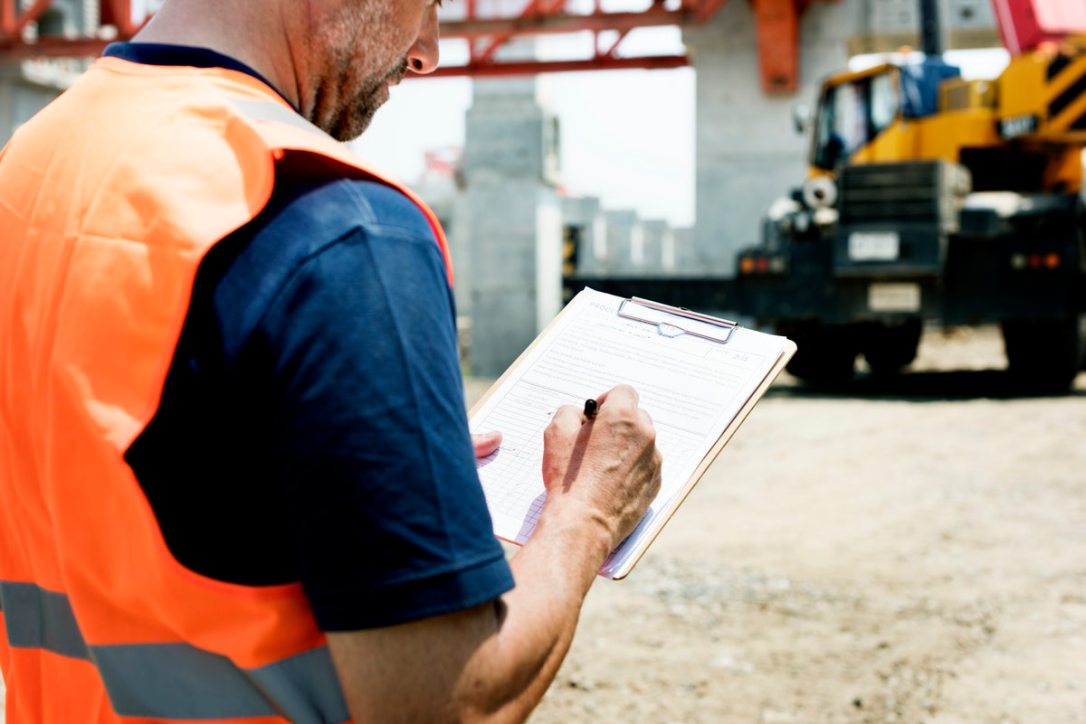
Site engineer on a construction site

The attitude of the superintendent directly correlates to the image of the jobsite. A positive, proactive customer service salesmantendent will exhibit many of the following features:

The “Selling” Jobsite – Salesmantendents understand that the customer may visit and that a customer’s customers may visit. How welcome they feel, how they are treated and how the site looked during that visit have a great impact on their perception of the superintendent and the company as a whole.  

People like working with individuals with whom they have a positive relationship. By the end of the project, the superintendent has had the most opportunity to be with a customer. Has the opportunity been lost or capitalized upon? The opportunity for repeat business hangs in the balance.

Firms spend countless dollars searching for talented young managers and supervisors. Curriculums in engineering and construction management schools across the country are slowly starting to incorporate courses that teach future generations skills in management, sales and, most importantly, communication. However, superintendents are faced with the daunting task of learning these softer skills through alternative means. Promoting a culture of salesmanship must pervade every aspect of an organization. This includes forcing the superintendents to shift from a process-driven mentality with a single finish line and small prize to a goal-driven mentality with multiple finish lines and the grand prize. The grand prize is a customer who cannot live without your services. Salesmantendents do more than build buildings; they build relationships.

With all of that said, does it sound like a good field supervisor is a construction industry unicorn? Not really: it’s about finding the candidates who have most of these skills and traits and knowing that anything missing can be taught. The key is a willingness on the part of the supervisor to grow and change and the company to show them the way. An open mind leads to well managed projects!  We at OE believe it takes An Army of Salesmantendents  to build a project and retain repeat customer business.
OE Construction Corp

Where Is Confidence Built?

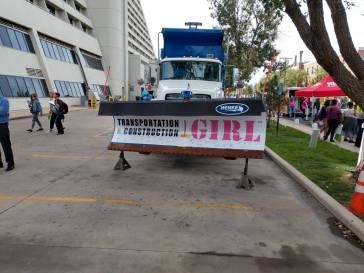
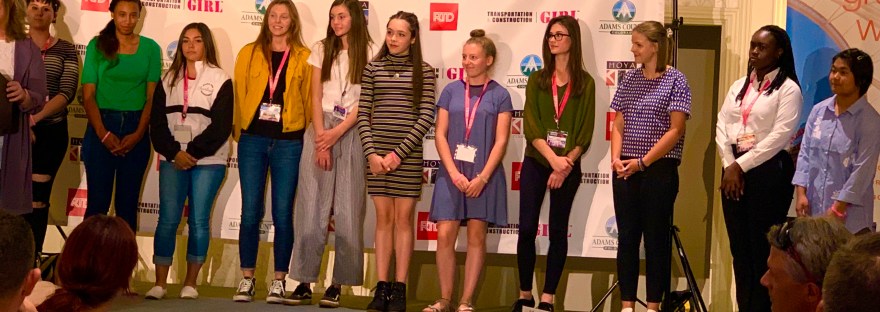
We are in the construction industry and we know how things are built… most things. A few weeks ago we were proud to participate as a Gold Sponsor at Transportation & Construction Girl 2019. It was there we were all shown how confidence is built in young women. Confidence is built through support, encouragement and the sharing of our stories.IMG_20190923_105724518_HDR

Three young women, who had participated in Career Days for Girls this year, spoke at the luncheon and their stories boosted our confidence and taught us some valuable lessons. Here are some of the highlights:

13-year-old, Frances Sullivan took the stage first and immediately delighted us all with her poise and incredible stories. She talked about how much fun she had during Career Days, learning about many of the buildings, downtown, including the Brown Palace, the Wells Fargo Center (she thought it was so interesting to learn it was called the “Cash Register Building”), and Union Station. 

She learned about a seemingly insignificant metal strip that was on the ground near Union Station that allowed the ground to move without cracking. She had never noticed it before and said that the small metal strip was a lot like the individuals in this industry. “We may not realize the important role each person plays, but each person is significant.”  

Frances said, “Construction workers leave their special stories all around us” and encouraged us to pay attention. 

When asked what lessons she took away from her experience during Career Days, she said she learned that every day we should:

  • Make a Friend
  • Learn Something New
  • Be Proud of What You Did

She ended with “I still have no idea what I am going to do when I grow up… but hey, I’m only 13.  I am Frances Sullivan and I CAN BE ANYTHING I WANT!” 

16-year-old Sela Martinez took the stage next and told us how she has always loved collecting rocks but didn’t see how that had anything to do with construction until just recently. She shared about her experience touring the School of Mines with her father and learning how she could use her love of rocks to help builders know where to dig or what response the dirt will have based on its composition. 

Sela’s father then brought home a poster for Career Week and she had a great time. She found it so helpful to hear other women share stories of how they got into this industry and through their stories she felt that her dreams were possible. 

Lastly, we heard from Career Day Graduate, 18-year-old Elena Pocs. Elena is now at CSU studying construction management. She talked about the fact that she not only had no interest in construction when she was in high school, but that she was terrified her first day in shop class when she cut her first piece of wood. She said she was surprised how hard it was to even hammer a nail into a board. She bent most of them.  Elena now looks back and says she learned that nothing is easy in life, but it is so much better when we choose to get out and try new things, meet new people and have new experiences outside of our comfort zones. 

Elena said, “Participating in soccer taught me… I hate soccer! And participating in Career Days taught me I loved construction.” She says now at CSU she has also discovered her love of rock climbing too, and while we may not be good at something in the beginning, we all need to get out and try new things.

She wrapped up by talking about the importance of confidence to our overall success in life. Confidence to take our mistakes, our bent nails, and keep trying. “Through all the bent nails… I never game up” she says.

These three young women were beyond inspiring. They were filled with wisdom we can all use in our careers and in our lives today. Here are three things we can all apply from their messages:

  1. Get out and meet new people. Don’t just pass by without paying attention. Hear their stories. You will learn something new when you do. 
  2. Encourage others around you to grow, develop and try new things. It can be as simple as bringing home a Career Days poster or handing someone another nail to try again.  
  3. Share your own stories with those around you. We learn by hearing your journey and we are inspired to keep trying when things get tough.

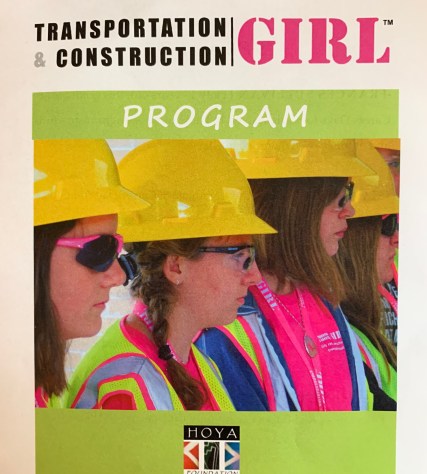
Construction Girl Program 2019

As I left the event, I realized we also have messages to share with them. Wisdom that has come from years in business and specifically, in the construction industry. We need to share more of our stories with each other. Here are my thoughts that I would love to share with those young girls as well as with you all:

  1. Find out what gets you excited about a specific job.  Do you like being outdoors? Maybe you are good at solving puzzles and find a job that uses this talent, or you are really organized and like the process and procedure of a specific position. Take an inventory of your skills and talents, and then another of the things you love to do. You can get training around the things you love to do but perhaps you aren’t as good at them as you’d like.
  2. Try to visualize yourself doing different job. Talk to everyone you possibly can to find out more details and information about different positions in construction.  Surround yourself with smart people. Learn to ask questions and really listen to the answers. So many are afraid to ask questions for fear of looking foolish. Questions come from curiosity and curiosity is a great trait to have in any industry. This is the first step in your exploration of a career in construction.
  3. Don’t ever give up your dream. Be persistent. Ask for help anyway you can through programs like Construction Girl, your family, counselors and teachers, or anyone willing to listen and help you find solutions.  You will encounter many roadblocks in life, how you react and figure out your own solution is a big part of your success, now and in the future.  Be positive, be proactive, be humble yet confident in who you are and where you want to go.  The road is not usually straight as an arrow. It winds around and takes you many places throughout your career.  The young women that we have highlighted in this post are well on their way to finding their “dream job”.  We are so proud to be a part of their journey.

Stay tuned for more “stories” from all of us in the construction industry.  We want to start sharing about how some of us ended up in construction. Stories that highlight the lessons learned along the way, and who we surrounded ourselves with to end up where we are. We want to hear about the unique talents women in construction bring to the table. These are just some of the stories we hope to share.

~Terri

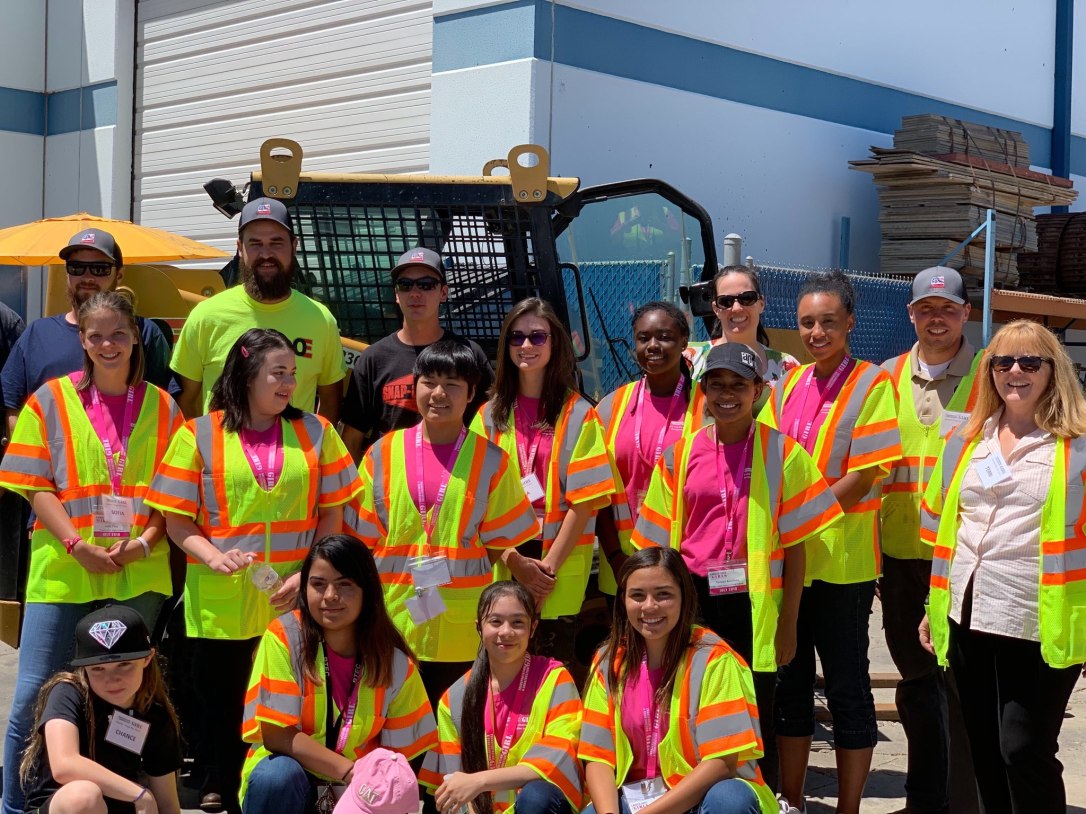
Careers in Construction Event Group Photo


OE Construction Corp

Take it Easy When It Comes to Adding Technology in Construction

“HOW DO SAVVY CONTRACTORS KEEP UP WHEN TECHNOLOGY EVOLVES FASTER THAN LIGHT?”

Great question, right? With all of the new and improved technology and automation in construction in general, how do you make it work for your company and your employees?  

“Easy, Not Hard” is a good read that answers the question clearly: “BY KEEPING IT SIMPLE, SAY THE FOLKS IN THE FIELD.” The post does a nice job of summarizing some of the most important points that you should consider before you try to implement a new or improved technology, specifically in the construction field. 

We’re always looking at how we can improve, grow and transition OE Construction and a major part of that evolution includes technology. Here are a few additional thoughts we had on the subject:

Start Small

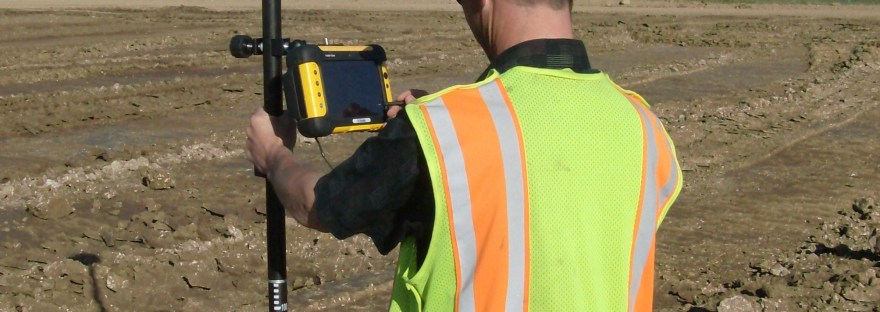
Maybe you want to automate your field reporting using tablets and some type of reporting software. Here’s a tip: don’t try to automate field reporting and then add in other tasks and over complicate the initial implementation of the new reporting system. 

construction technology oe blog post

Before you implement anything in the field, it needs to be tested by others, to make sure the system works as advertised. How? Have a checklist of the important questions and issues that might come up during the testing period. Don’t launch without a fully tested and operational new system. If you do, you could lose the support of the field employees: they don’t like to redo reports because no one bothered to test out the new system first. 

Make sure you have good documentation (yes, people still read instructions) and put robust ‘just in time’ training programs in place, ready to go for the new system. Untrained end users will be hard pressed to buy in: you’ll find resistance to the new system that you don’t need and can easily avoid.

Keep It Simple 

Don’t over complicate the process you are trying to implement in the field. Prepare a quick, easy to understand list of instructions on how to use the new system or technology. In the example of a new field reporting system, there should be maybe 5 or 6 steps to create, enter and send the daily job report. If the employee has to page through multiple screens, back up, start over or gets lost in the system, you will have a hard time implementing it. This is particularly true when you consider that, for some of your staff, there is going to be a steeper learning curve around new technology than for others.

There are ways to make sure that your processes are simple and streamlined. How about speech to text for areas that require additional typing or text entry? Or perhaps use drop down lists and check boxes for some sections? All of these tools are simple and easy to use.

What Exactly Are You Trying To Accomplish?

When a software company or an end-user (like your company or an individual) designs a process and software application for use, one of the first questions is: “What are we trying to get out of the software system/form/process?”

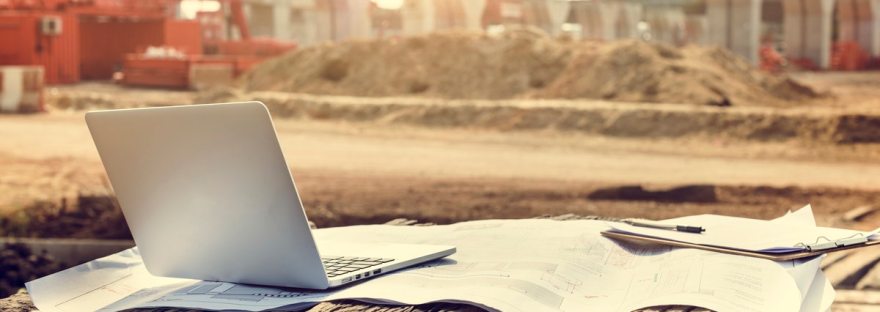
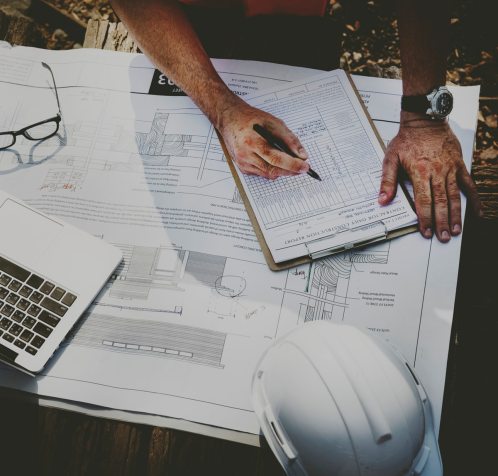
overhead view construction oe laptop

If we want production related data, then we need to ask specific questions about what we are trying to find out from each employee in the field:

  • Do we need to know how many trucks were loaded during the work day?  
  • Do we need to know how many man hours we are reporting for the day?
  • Perhaps we want to track what materials were delivered to the job site and by what company

The list goes on…  

Each company will have their own brand of reporting and tracking requirements. What’s true for many organizations is that it’s difficult to get exactly what you need from an off the shelf software program. You might need to develop your own or find out what other contractors in your business or industry are using.  

Ask questions about usability, both from a front line user point of view to the person who is analyzing the data at the back end. Consider the price of the software, what kind of enhancements or customizations can be made, what kind of hardware do is needed to run it, how does the field reporting interconnect with the existing office systems? These are just a few of the questions that you should ask before you move to any new system or technology.

Who in the Heck is Going to Look at and Compile All of This Data?

It is great to have field reporting but now what? This is why it’s essential to know what you’re trying to accomplish by adding in a new system / technology to your processes. If you don’t have a handle on what you’re going to do with the data, it’s pretty pointless to collect it. 

Who is getting all of this information from the field? What format is the data in?  What exactly are they looking for with the daily information from the field? Are they just trying to have an easy and consistent report they can print in the office and put in a file (electronic and/or paper) or are they looking to streamline processes? Are they trying to measure daily information against other data, like the original bid or maybe the job cost budget?  

You can’t design new technology until you know who, what, when, where and how the information is to be compiled, transmitted, reviewed, reported and analyzed by both an individual and others in the company. Pre-planning and taking a thoughtful and concise approach to new or improved technology revolves around some very basic core questions and requirements. Take your time and get it right the first time.

Good luck!


OE Construction Corp

Safety in Construction 101

When you think about construction, you probably think about physical work, with large equipment and machines, big spaces and buildings and long hours. In many instances, you wouldn’t be wrong. These are all aspects of the industry that can contribute to injuries. While an injury in an office might be limited to a paper cut, injuries on a construction site can go from minor to life threatening, in moments.

Dave Ruddy

In a previous post on the OE blog, Dave Ruddy (safety consultant) had this to say about safety:

“Focusing on safety is as important as focusing on craftsmanship, quality and production. 

My sincere desire for 2019 is that each employee would be strong enough to say no to unsafe work environments, that each employer would be diligent in providing each employee the knowledge and tools they need to conduct their work in an efficient and safe manner and that safety professionals would be encouraging to employees and employers.

Safety is not about compliance, safety is all about the human desire to accomplish a common goal while performing work efficiently and safely.” 

With that in mind, now is probably a great time to review the best practices that will contribute to a safe work environment and mitigate the number of injuries happening in the construction industry.

Training is top of the list

From a new worker to someone who has been doing a job for years and has become a little lax about standards, ongoing training is a necessity. It’s not a ‘one and done’ scenario. 

Even if the hazards may be more or less the same from project to project, there is value in reiterating the importance of safety standards, equipment requirements, processes and procedures several times a year. 

Simple awareness of the hazards that exist or might develop on a project are worth reviewing before anyone steps foot onto the site. If each person on site knows what’s possible and what to do to mitigate the possibility of accidents, they each contribute to the overall level of safety. That helps every site worker to stay safe and aware!

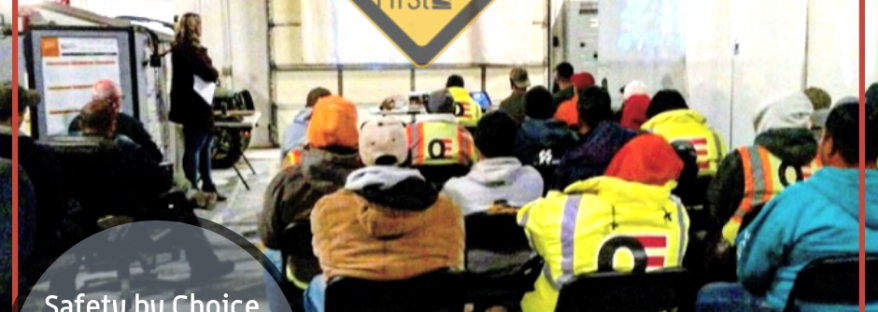
Safety by choice, not by chance OE

Communication is vital

Accidents happen when communication falters. If a worker doesn’t know where they need to be at all times, and what they need to be doing, they could easily end up in a situation that is dangerous. A daily reminder of the schedule of activities and easy, efficient communication methods, such as smartphones, can go a long way to preventing accidents that come down to a lack of communication.

Part of communication is ensuring that there is someone in a supervisory role at all times who embraces the importance of safety for everyone on site. This kind of thinking trickles down: if the top levels reinforce the importance of safety in their actions as much as their words, that will allow all levels of workers to feel comfortable maintaining safety standards.

Documentation is a subset of communication standards that must be met. Whether it’s permits for the project, or proof of certification for specialized roles on the site, having the right documentation isn’t just about legal protection. It’s about ensuring the safety of everyone who works on a project too.

Finally, communication has to include a component of transparency. Covering up an accident can only lead to downstream difficulties. Everyone who has anything to do with construction knows that accidents do happen, but it’s better to share the knowledge learned from a situation than try to sweep it under the carpet. Best practices develop when flaws are revealed, discussed and dealt with in the light of day.

Take care of equipment too

Accurate and ongoing maintenance of all machinery, as well as ensuring that every person on the field has what they need to do the job they are supposed to be doing, including attire, materials and equipment, is a fundamental aspect of safety.

Planning ahead to ensure that workers are provided with what they need on site, including water to prevent dehydration, a place to get out of the elements to prevent exposure related issues or masks when there are airborne particles that could result in inhalation illnesses are all part of the equipment protocol that are best part of a preventative plan.

Technological innovations will help with site safety over the longer term, with machines taking over some of the tasks that might be less safe for people, ensuring that the humans on the project have the data they need to perform their jobs in a relatively secure environment. In the meantime, maintaining a commitment to best practices for safety in construction is the clearest way to achieve as near to a zero accident rate as possible. OE Construction is committed to this way of operating and we look to all of our colleagues and industry partners to join us in that! 

OE Construction Corp

Thoughts On Automation In the Construction Industry

Automation is a hot topic these days, both on the ground in industries across the country, and within the political arena. 

Just say ‘self-driving cars’ and you’ll launch a thousand debates on the topic, but the reality is that the technology in that area is just about ready. It’s the people—and regulations—that need to catch up.

In industries like manufacturing and assembly lines, automation makes sense. In many cases, those machines are engaging in a repetitive task that can be done more quickly and accurately by machines than by people. 

Construction is a different beast: each project, however large or small, has its own set of challenges and parameters. Automating many of the tasks won’t be possible with current technology. But there’s no doubt that more complex machines and automation are on the rise, and threaten to make humans redundant in some areas faster than they can be retrained and redeployed in roles, some of which don’t exist yet.

Ultimately, how automation will affect the construction industry depends heavily on what segment you’re referring to, but there are some general points about automation that we should all be considering.

Automating machinery makes sense… some of the time

In areas like oil and gas, mining, commercial / industrial construction, there are a lot of machines used for repetitive tasks that could be automated. While the upfront costs for setting up automation are very high, the downstream ability to reduce downtime with machine monitoring and anticipation of issues, to say nothing of the fact that machines can work non-stop in a way that people can’t, means those costs can be recouped and then some.

There are many parts of the construction industry, however, where automation will never be able to replace the expertise and oversight of equipment operators and laborers. Even in OE’s field—excavation—while automation is possible in terms of GPS and control of grading machines, as two examples, there are a multitude of other tasks that could not be left in the hands of a machine. Artificial intelligence (AI) and the capacity it will have to enable machines to learn may one day lead us to the point where people are redundant… But not yet.

What kind of automation in construction IS possible?

Automation reduces errors, improves efficiency and quality, ultimately reducing costs of production, and there are certainly ways the construction industry will move towards leveraging these advantages. 

Think 3D printing of walls and buildings. Think pre-fabrication of elements on an as needed basis, on site. Think drones for monitoring large sites. These are cost saving measures that construction could (and in some cases already do) leverage. Another is LIDAR—Light Detection and Ranging. This is the technology behind self-driving cars, and it is possible to imagine machines and trucks driving around a construction site, without a driver.

In the ever changing landscape of an excavation site, however, the learning curve might be too steep for machines to cope with. A small, confined site might be managed with a robot driven tractor, but on a larger scale, there are so many factors to take into consideration, and so much knowledge that goes into evaluating these factors, that it will be a long while before major projects could be fully automated. These machines still require a human to oversee that the work is being done accurately, within parameters.

Another reality, however, is that the construction industry, as a whole, is experiencing a labor shortage: there’s plenty of work but not enough people to get the job done. Automating more basic, repetitive tasks, could open up other positions to manage the technology that people could be trained for. 

Bottom line? Construction is a growth industry and automation is going to be a part of our future. We need to rethink how we use it and where we need human expertise so that we can shape our plans for the future, and find the resources with the training and expertise to fulfill them.